Planning a major renovation, building a brand new home or taking on a major addition is one of the most exciting investments you can make, but it’s also one of the most complex. Long before work begins at the construction site, your protection starts with a strong construction agreement. This document is more than a price summary; it is a legally binding roadmap that governs your construction project from site preparation through project completion.
A well-written contract sets expectations, protects your investment, and creates clarity throughout the construction process. Without one, homeowners are far more likely to face cost overruns, delays, and future disputes. Below is a comprehensive checklist to help you review the most important contract terms before moving forward with your new home remodeling project.
1. Scope of Work
The scope of work is the backbone of your construction project. It should clearly outline the key elements:
A clear project description defining the proposed work
General conditions as to what the parties are agreeing to
What project contents are included in the building project
What materials will be used – size, type, quantity and manufacturer
Who is responsible for each specific item
What is excluded from the agreement
How alternate work and change orders are handled
Vague descriptions often lead to potential problems and future disputes. For example, instead of simply listing “lighting,” the contract should specify the number and type of light fixtures included.
A detailed scope ensures that both parties understand expectations and reduces the risk of defective work or misunderstandings later.
2. Floor Plans & Contract Documents
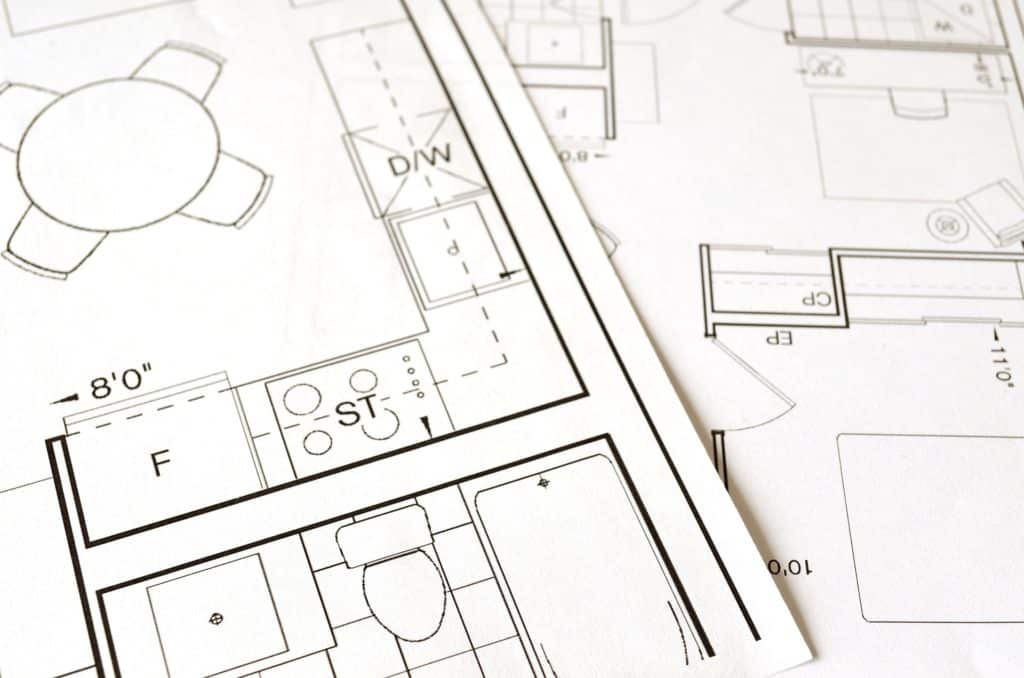
All finalized floor plans, specifications, and contract documents should be part of the contract before signing. Confirm square feet, layout, and site preparation details match your final decisions. Changes after signing typically require change orders, which can increase costs and affect your completion date.
3. Required Professionals: Architects, Engineers & Site Experts
A successful new build depends on the specific needs of the project and the right team of architects, engineers and other professionals. Depending on the scope and complexity of your project, this may include:
An architect for design, spatial planning and building regulations
Civil engineers for grading, soil movement, drainage, and site zoning requirements
Structural engineers for load calculations and framing integrity
Other site professionals required by local municipalities
If these professionals are not engaged early, projects can face redesigns, failed inspections, and lengthy delays at the construction site.
For major additions or renovations, a land use attorney may also be required to address zoning, variances, or municipal approvals. Skipping this step can result in rejected permits, legal fees, and significant timeline setbacks.
4. Permits & Code Compliance
Permit coordination is a critical part of the construction process. Homeowners should clearly understand who is responsible for pulling permits and ensuring compliance with town and state building code requirements.
For example, Trade Mark Design and Build manages the entire permitting process on behalf of their clients. Submitting applications, coordinating inspections, and overseeing compliance as part of their end-to-end construction management services. This approach minimizes delays, reduces stress, and keeps projects moving efficiently.
Clear permit responsibility should always be part of the contract. It should be noted that in the state of New Jersey, residential general contractors are required to have a home improvement license and register with the division of community affairs and maintain a surety bond to ensure work performance. Anyone can check to see if a contractor is registered in the construction industry by visiting the state’s site for home improvement contractor license lookup to verify the status.
5. Payment Terms & Payment Schedule
Transparent payment terms protect both the homeowner and the contractor. Instead of paying based on dates alone, a well-structured agreement aligns payments with progress milestones. This often begins with an advance payment, followed by scheduled draws as each phase is completed, with the remaining balance due at substantial completion or after the final walkthrough. It should be noted that NJ state law prohibits final payments being made until all permits are closed out, no contractor should ever pressure a homeowner into paying prior to closing their permits.
6. Timeline & Completion Date
Every good contract should clearly outline an estimated start date, projected completion date, and conditions that may affect the schedule. Delays can happen due to weather, supply chain disruptions, or inspection approvals. However, your agreement should explain how timeline adjustments are handled.
Ask your contractor:
How are delays documented?
Is there a penalty for unreasonable delays?
What defines substantial completion?
Having enough time built into the schedule is realistic—but transparency is key.
7. Change Orders
Changes are common in most new build projects. Whether upgrading finishes, adjusting layouts, or adding features, all change orders should be documented and approved in writing before work begins.
Your contract should explain how change orders are priced, how they affect the timeline, and when payment is required. Verbal approvals often lead to disputes and unexpected additional costs, making written documentation a critical safeguard.
8. Allowances & Additional Costs
Many construction agreements include allowances for items like cabinetry, flooring, appliances, or lighting. If selections exceed the allowance, the homeowner pays the difference including any additional work.
Make sure your contract clearly explains how allowances are calculated and how cost overruns are communicated. Understanding these numbers upfront helps you make informed decisions and avoid budget surprises later.
9. Inspections & Walkthroughs
Before releasing final payment, your contract should outline inspection procedures, including:
Final inspection
New construction walkthrough
Blue tape walkthrough
Final walkthrough
During the blue tape walkthrough, you’ll identify items needing correction. This ensures the work aligns with the scope of work before project completion.
10. Warranties & Mechanic’s Lien Protection
Warranty requirements should clearly define coverage for workmanship and materials, as well as how defective work is handled. The contract should also address mechanic’s lien protections and confirm subcontractors are paid on a regular basis to prevent legal complications.
11. Dispute Resolution
A good contract defines what constitutes breach of contract and outlines dispute resolution procedures. Consider attorney review before signing. While financial advisors and loan officers can guide financing, legal advice ensures your interests are protected.
Homeowners should also ask their contractor “How do you identify and address a potential problem?” Proactive communication and documented solutions are signs of good practice and help prevent small issues from becoming major setbacks.
12. Respect for the Home & Construction Site
Even during construction, this is still your own home. The contract should address site cleanliness, safety, and respect for the property. A professional contractor understands that a construction site is also a client’s living environment, and treats it accordingly.
Build with Confidence
A strong construction agreement provides peace of mind and sets the stage for successful projects. By carefully reviewing contract terms, from payment schedule to walkthrough procedures, you protect your investment and ensure your own home is delivered as promised.
Taking time for a proper construction contract review is not just good practice, it’s the smartest first step in building your brand new home remodeling project.
