
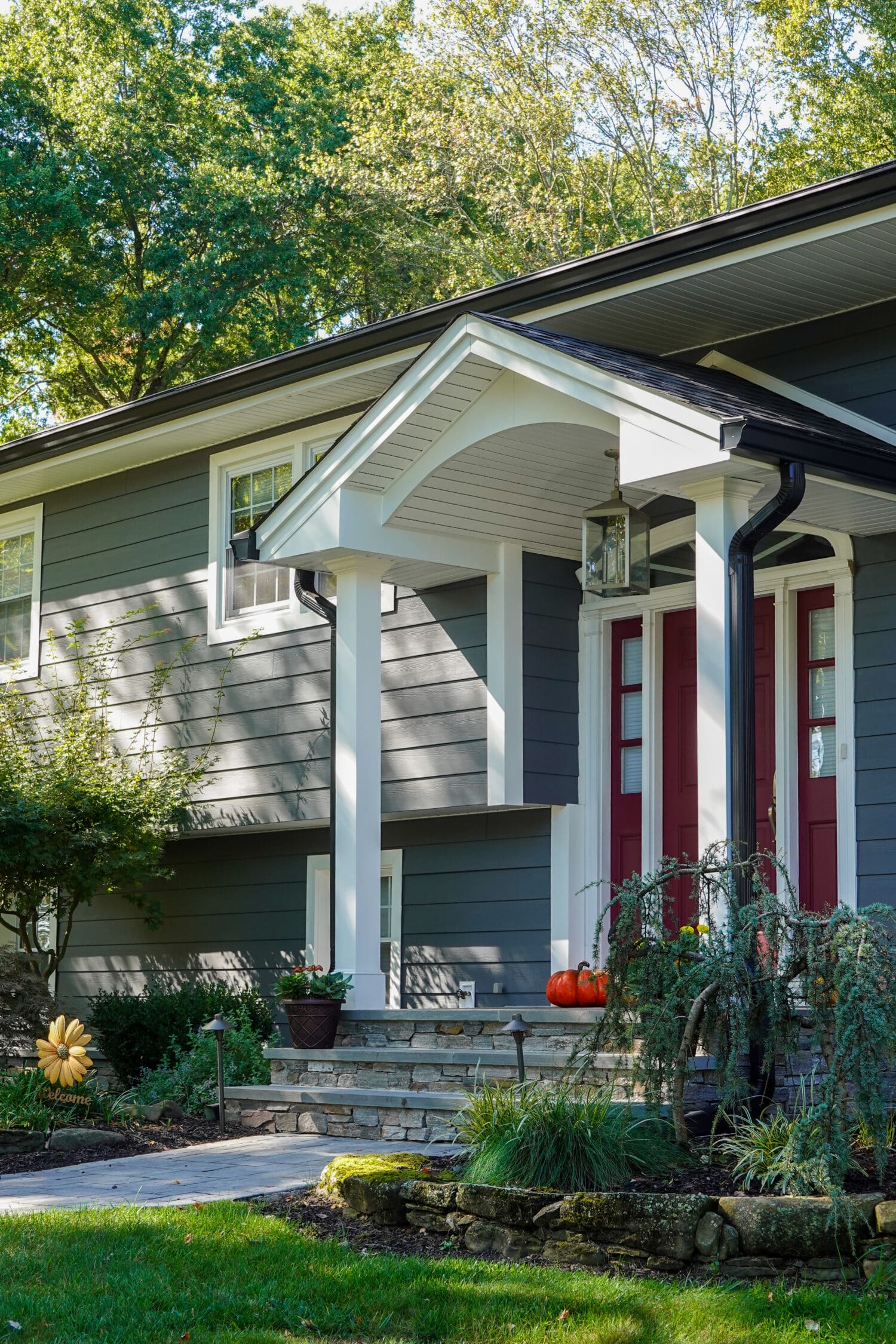
When it comes to exterior siding, homeowners today have more durable and stylish options than ever before. Among these, fiber cement siding stands out for its strength, low maintenance, and impressive fire resistance—qualities that make it especially relevant during October’s Fire Prevention Month.
Painting your fiber cement siding the right way not only elevates your home’s appearance but also ensures lasting protection from the elements. In this guide, we’ll cover everything you need to know, including, what fiber cement siding is, and why it matters for fire prevention, whether you can paint fiber cement siding and how to properly prepare for painting with the best paint to use for long-term durability and beauty.
What Is Fiber Cement Siding?
Fiber cement siding is a composite material made from cement, sand, water, and cellulose fibers. The result is a strong, weather-resistant exterior that mimics the look of traditional wood but offers superior durability. Popular brands like James Hardie siding have perfected the formula, providing homeowners with products that resist rot, pests, and even fire.
One of fiber cement’s biggest advantages is its fire resistance. Unlike vinyl siding, which can melt or release toxic fumes under high heat, fiber cement is non-combustible. This means it won’t ignite when exposed to direct flame or extreme temperatures—making it a safer choice for homes in wildfire-prone or hot, dry climates.
Because October is Fire Prevention Month, it’s an ideal time for homeowners to evaluate how their exterior materials contribute to their home’s overall fire safety. Choosing fiber cement siding and pairing it with a high-quality acrylic paint can add a crucial layer of protection while keeping your home looking its best.
Can You Paint Fiber Cement Siding?
Yes, absolutely—you can paint fiber cement siding. In fact, one of the unique advantages of fiber cement over vinyl siding is that it can be custom painted in any color you choose. This gives you complete creative control over your home’s exterior design.
Many types of fiber cement siding, like those from James Hardie, come pre-primed and ready for paint. Others may require priming before painting, but once properly prepared, the surface holds paint exceptionally well. Unlike wood, fiber cement won’t swell, warp, or crack under moisture, which means your paint finish stays beautiful longer.
Regularly painting your fiber cement siding not only enhances curb appeal but also improves weather resistance by sealing the surface from moisture and UV damage. Most high-quality paints can last 10–15 years on fiber cement before requiring a fresh coat—significantly longer than typical wood siding.
How to Prep for Painting Fiber Cement Siding
Preparation is key to achieving a smooth, long-lasting finish. Whether you’re repainting older siding or finishing new boards, here are the essential steps professional painters and contractors recommend for best results on this type of paint job:
1. Clean the Surface Thoroughly
Start by removing any dirt, dust, mildew, old paint, or chalky residue from your siding. A garden hose, soft brush, and mild detergent usually do the trick. For tough buildup, a low pressure washer can be used, but avoid high pressure—it may damage the surface.
2. Inspect for Damage
Before painting, check for cracks, chips, or damaged caulking. Repair or replace any compromised boards. Painting over damage will only trap problems beneath the surface.
3. Allow the Siding to Dry Completely
Fiber cement absorbs some moisture, so make sure it’s completely dry before painting. Moisture beneath paint can cause premature peeling or blistering.
4. Prime if Needed
If your siding is James Hardie pre-primed, you can typically skip this step. Otherwise, apply a high-quality acrylic primer specifically designed for masonry or fiber cement materials. The primer helps paint adhere evenly and provides an additional moisture barrier.
5. Mask and Protect Surrounding Areas
Before you begin painting, use painter’s tape and drop cloths to protect windows, trim, and landscaping from overspray or drips.
6. Choose the Right Day to Paint
Temperature and humidity play a big role in how well paint cures. Aim for mild, dry weather—ideally between 50°F and 90°F. Avoid painting in direct sunlight or when rain is expected within 24 hours.
Following these steps will help your paint bond properly to the surface, maximizing its longevity and durability.
The Best Paints for Fiber Cement Siding
Choosing the best exterior paint for fiber cement siding isn’t just about color—it’s about chemistry. The type of paint you use will determine how long your siding stays protected from the elements. But what is the best choice? Here’s a breakdown of the top choices and what to avoid.
Acrylic Latex Paint: The Top Performer
When it comes to painting fiber cement, acrylic exterior paint is the clear winner. This water-based formula provides superior adhesion, flexibility, and weather resistance, making it ideal for exteriors exposed to sun, rain, and temperature changes.
Key Benefits of Acrylic Latex Paint:
-
Excellent adhesion: It bonds tightly to fiber cement without peeling.
-
Breathability: Allows trapped moisture to escape, preventing bubbling and cracking.
-
Fade resistance: Resists UV damage better than most other types of paint.
-
Easy cleanup: Water-based means simple soap-and-water cleanup and faster drying times.
Top brands like Sherwin Williams Duration, Benjamin Moore Aura, and Behr Marquee all offer premium-grade acrylic latex paints that perform exceptionally well on James Hardie siding and similar fiber cement products.
Avoid Oil-Based Paints
While oil-based paints were once a standard for exterior use, they’re not recommended for fiber cement siding. Oil-based coatings can trap moisture and become brittle over time, leading to cracks and peeling. They also tend to fade faster in sunlight and require more maintenance.
For long-term performance and color stability, stick with 100% acrylic latex paint designed for exterior use.
Choosing the Right Paint for Your Local Climate
Your local climate plays an important role in paint performance. Homes in sunny, dry regions should opt for paints with enhanced UV resistance, while those in coastal or humid areas benefit from mildew-resistant formulas.
If you live in a region prone to wildfires, fiber cement siding offers unmatched fire resistance, especially compared to vinyl siding or wood. Combined with a high-quality acrylic paint, it forms a protective barrier that helps resist ignition and slows the spread of flames. That added layer of defense is one more reason why homeowners across the country are switching to fiber cement.
The Bottom Line on Painting Fiber Cement Siding
Painting your fiber cement siding is a great way to preserve its beauty, extend its lifespan, and improve the overall protection of the exterior of your home from the elements. With proper surface preparation and a high-quality acrylic latex paint, your siding will stay vibrant and well-protected for years to come.
Beyond appearance, remember that the materials you choose—both for siding and paint—play a vital role in home safety. During October’s Fire Prevention Month, take a moment to assess your home’s exterior. If you’re looking for a siding that resists heat, weather, and time itself, fiber cement siding paired with premium acrylic paint is the ultimate combination of beauty and peace of mind.
